“The 1950’s Invitation : Living More Human in a Digital World”

Learning to live more slowly in a digital age

I didn’t have a plan—just a quiet question that kept cycling beneath the surface of my soul.

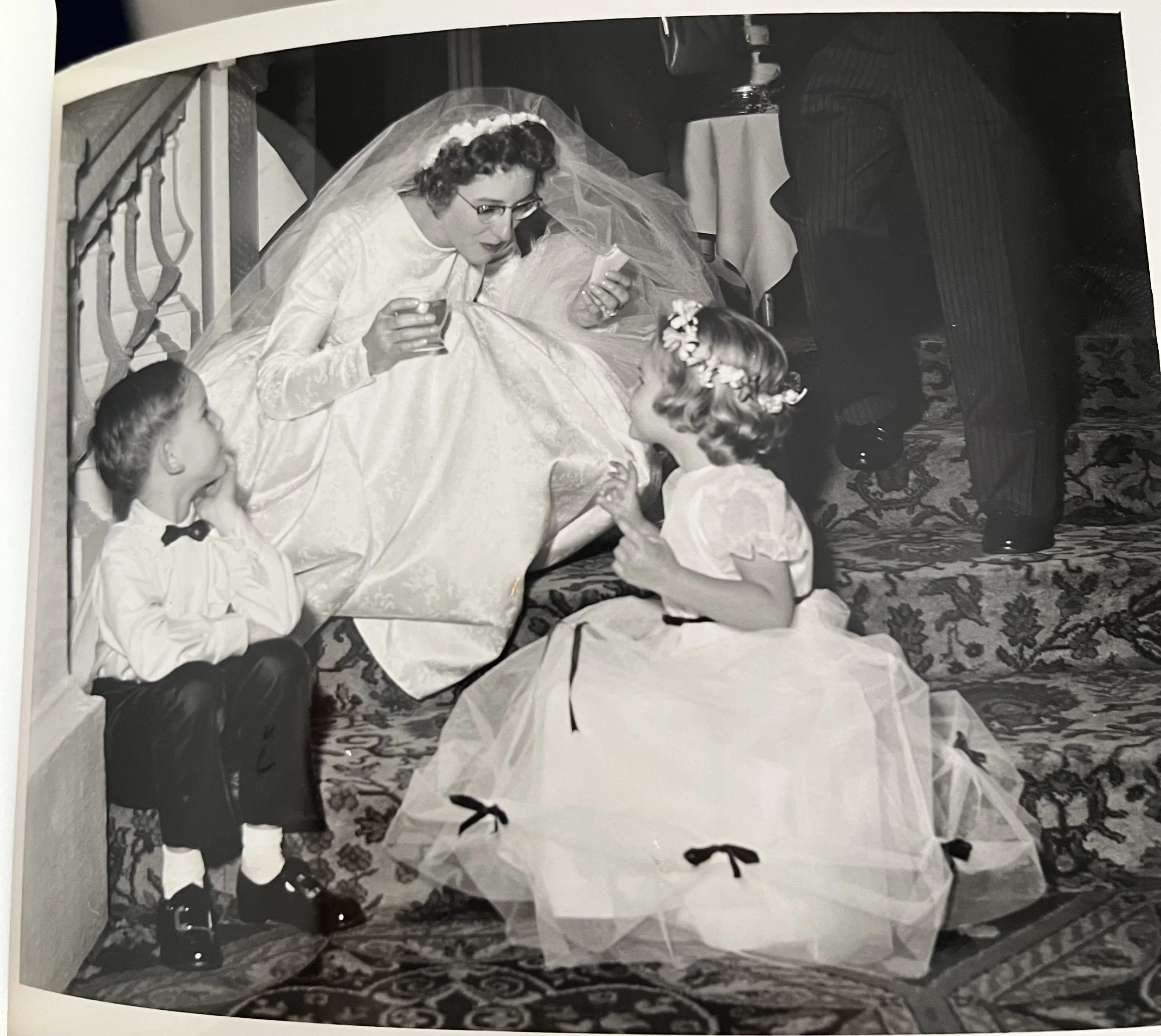
What would I be doing right now if I were living in the 1950’s?

The question surfaced in the small spaces between tasks, in that brief pause of what should I attend to next? Each time there was a lull, it returned—gentle, persistent, unassuming.

Why the 1950’s? It wasn’t nostalgia exactly. It was the sense that while screens existed then, they were an addition to life rather than the center of it. Digital input felt supplemental, not all-consuming. Leisure had edges. Attention had somewhere to land.

The question began to feel like a kind of holy wondering—an ache for something slower, steadier, more human than the pace I’d grown accustomed to, or than my ever-increasing dopamine thresholds seemed to require.

I had already been experimenting with Silent Sundays as a break from the constant chatter, and I was finding them wonderfully restful for my brain. That led me to wonder if I could weave more of these “brain breaks” into my week. I began researching how much screen time was average in the 1950’s, what typical hobbies looked like, how people spent the in-between hours of their days.
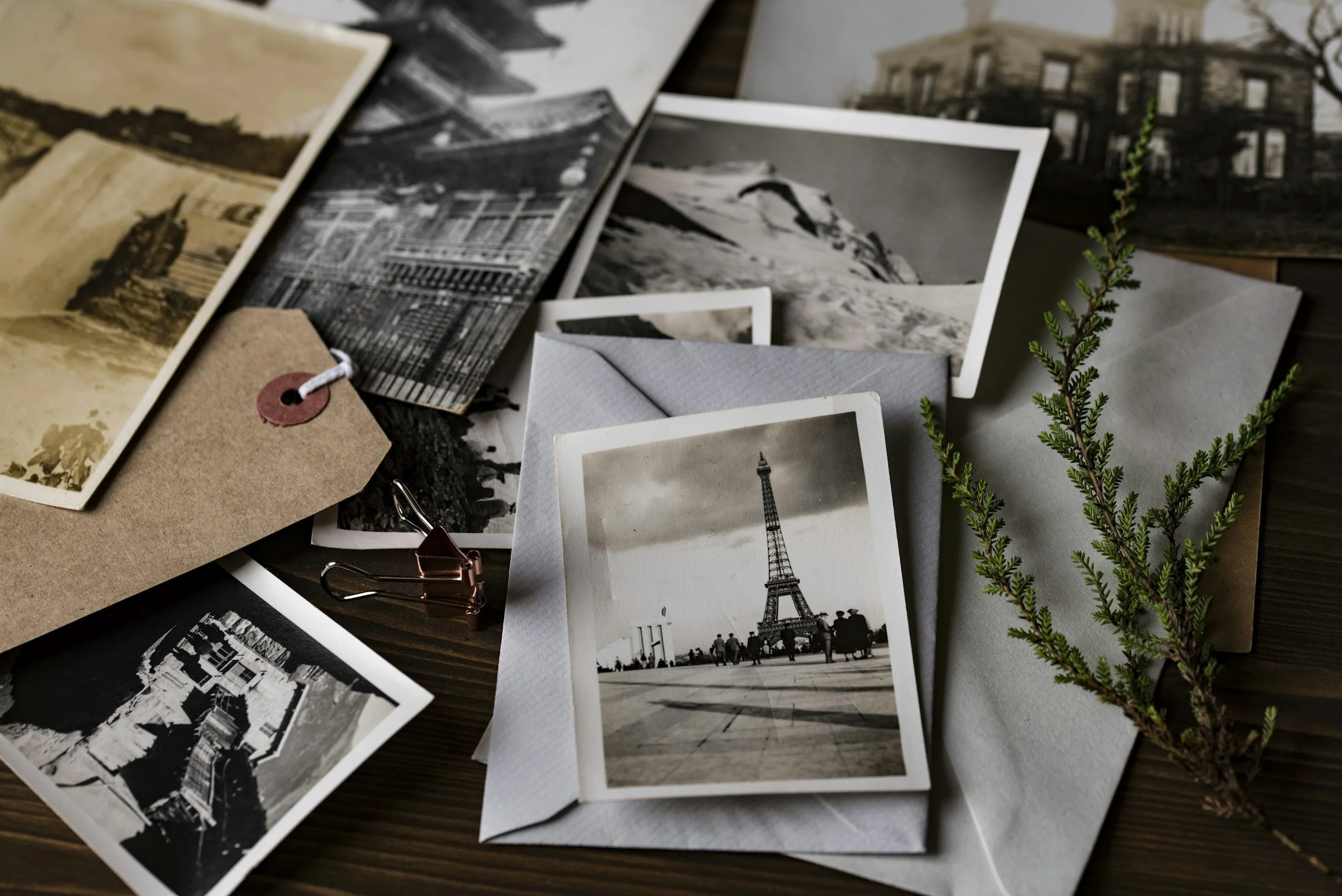
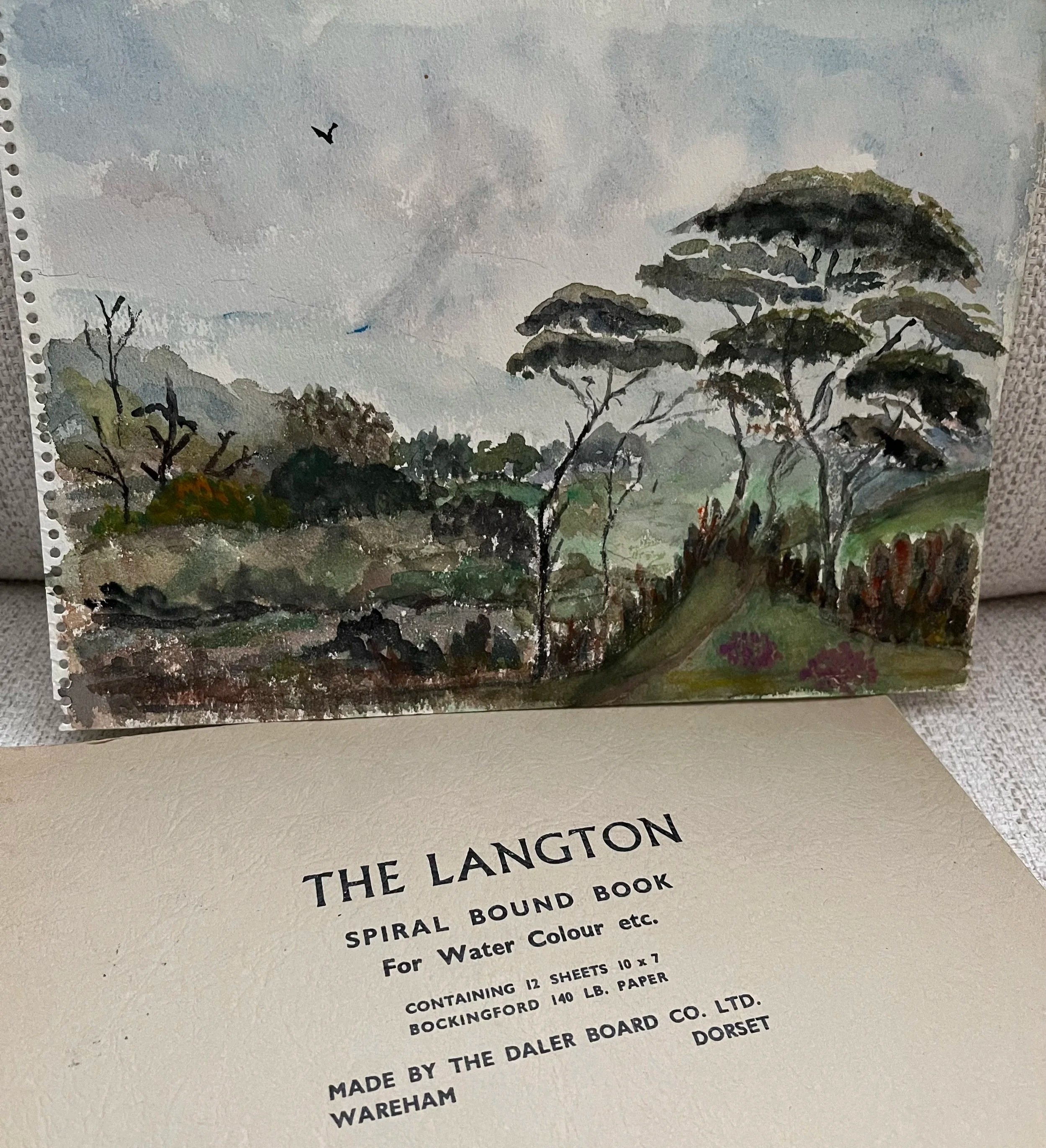
I went digging through our family archive box tucked away in the storage closet. I found my great-grandmother’s watercolor sketchbooks.

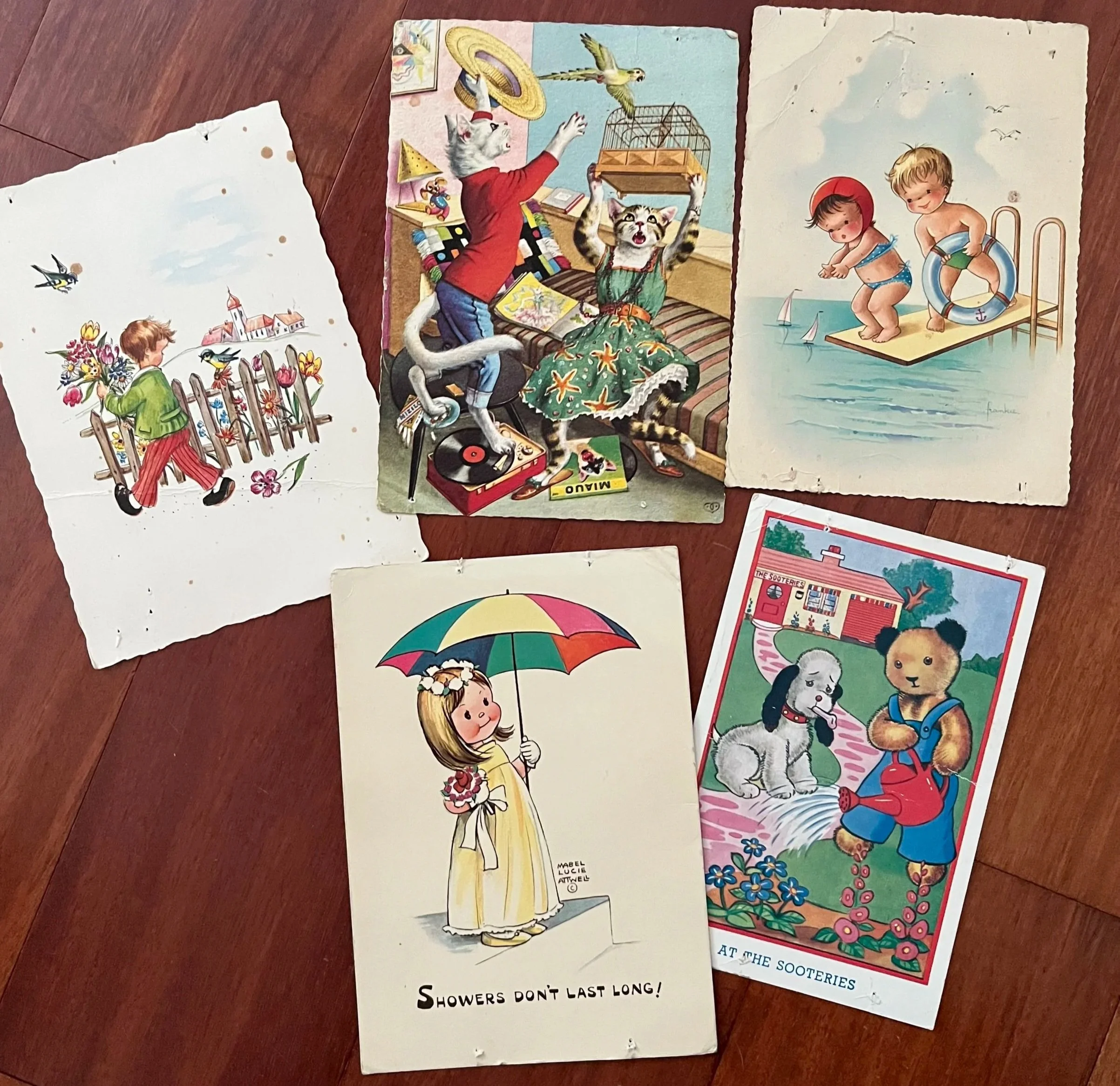
I also discovered a large bundle of postcards my Granny Ivy had sent to my mum when she was a little girl.

Reading, letter writing, sitting outside simply because—these weren’t intentional wellness practices then. They were just life.

I’m not giving up 2026 entirely. I enjoy pulling up nearly any genre of music on Spotify at will. But what if I listened to a full album, or an entire playlist, before jumping to the next track? Being spoiled for choice I noticed, often led to decision fatigue—and left me less present in the moment-to-moment.

Alongside this, I’ve been engaging in purposeful reflection on Sundays. I spend about half an hour looking back through my calendar from the week before, noting gratitudes, what worked well, what didn’t, and what I want to adjust in the week ahead. This gentle practice helps me feel grounded—less like the days are slipping past me unnoticed, more like I’m inhabiting them as they come.

The more I listened, the more I realized the question wasn’t really about the decade itself. It was about the rhythms of life seventy-five years ago: days that had edges, leisure that stayed in place, habits shaped more by presence than by efficiency.

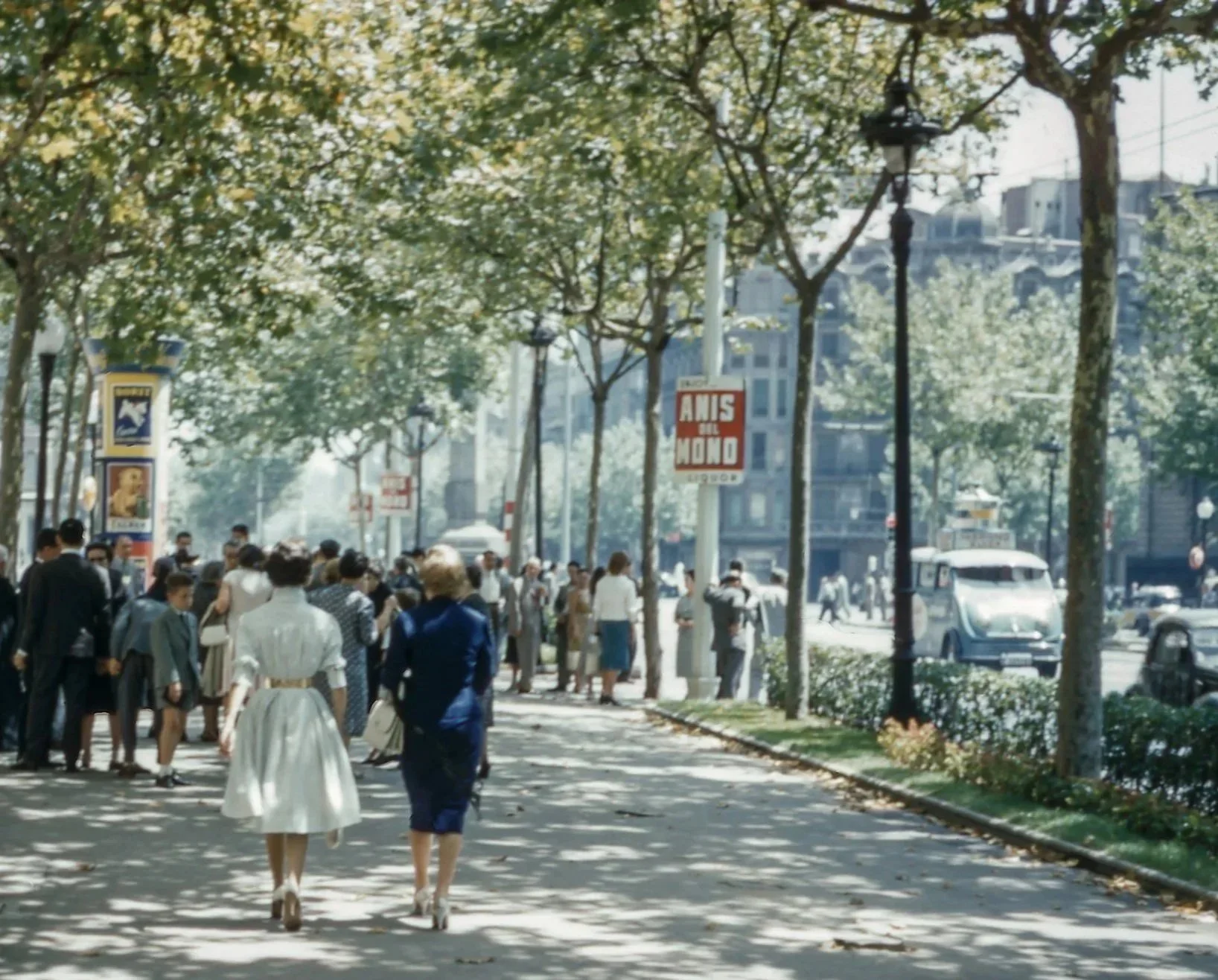
I read about domestic routines and daily rhythms, about walking as transportation, about music that played from beginning to end, about evenings that dimmed naturally rather than accelerating. What I found wasn’t a rule book, but a way of living that allowed the nervous system to settle into the day instead of bracing against it.

I hung soft white Christmas lights in my bedroom so I wouldn’t need to turn on the overhead light while reading. Small choices, really. Borrowed ones.

I started adopting these practices not as a project, not as a challenge, but as an experiment I could hold loosely. And over time, I realized this quiet exploration had become something else entirely.

I began calling it the 1950’s Invitation.

There’s a particular kind of romance in the way leisure once lived in place. Entertainment didn’t follow you. It waited. A record ended. A book closed. A walk brought you home. Nothing buzzed in your pocket asking for more.

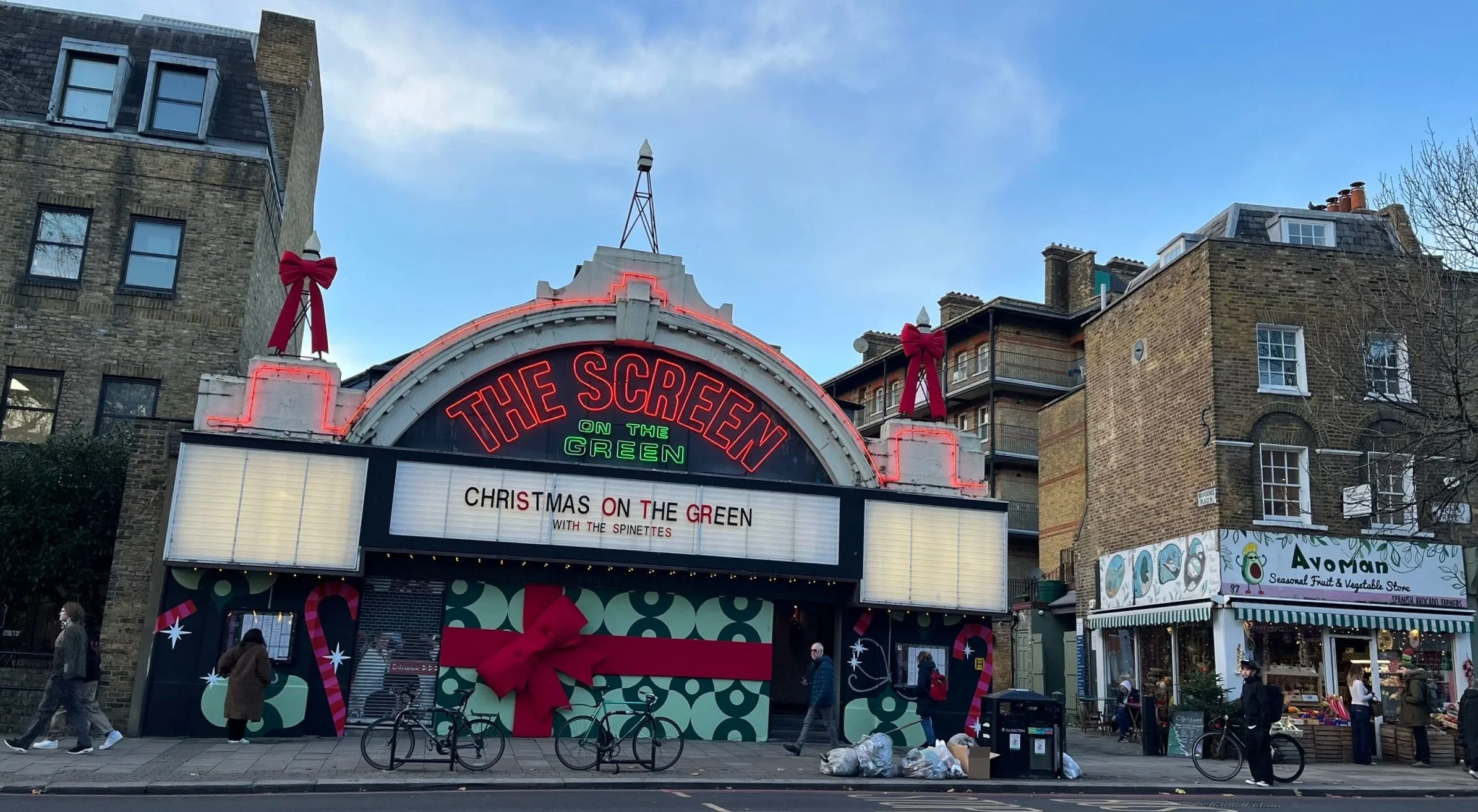
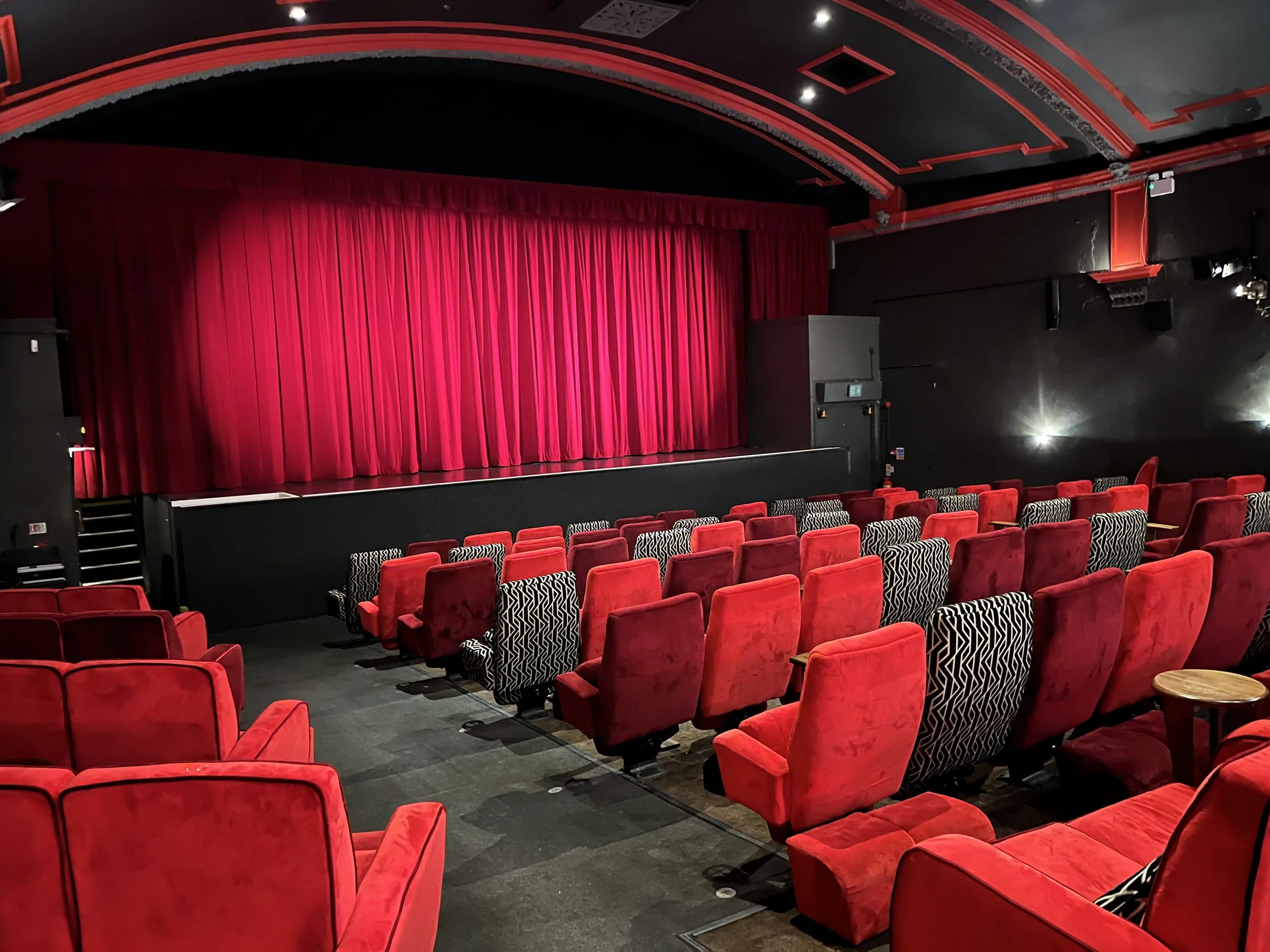
As a lifelong admirer of classic MGM musicals, I’ve always been drawn to the way pleasure was allowed to unfold unhurriedly—songs introduced with overtures, colors saturated and intentional, joy treated as something worthy of time. That reverence came into sharp focus one afternoon in London, when I attended a special screening of Meet Me in St. Louis at the Everyman Screen on the Green.

The theater itself invited slowness—the kind of place where you arrive early and linger afterward without apology. The film was shown on 35 mm, and I was struck almost immediately by the color—how astonishingly rich and alive it was. I had seen the film before, but never like this. The reds were warmer, the greens deeper, the whole world more dimensional. Watching it that way felt like being let in on a secret: that we’ve grown accustomed to thinner versions of beauty simply because they’re more convenient to deliver.

That afternoon stayed with me. Not just because of the film, but because of how it was experienced—no multitasking, no skipping ahead, no shrinking it to fit a smaller screen. Just an invitation to sit still and let something lovely unfold at its own pace. It reminded me that leisure once asked something of us too: attention, presence, and a willingness to be moved.

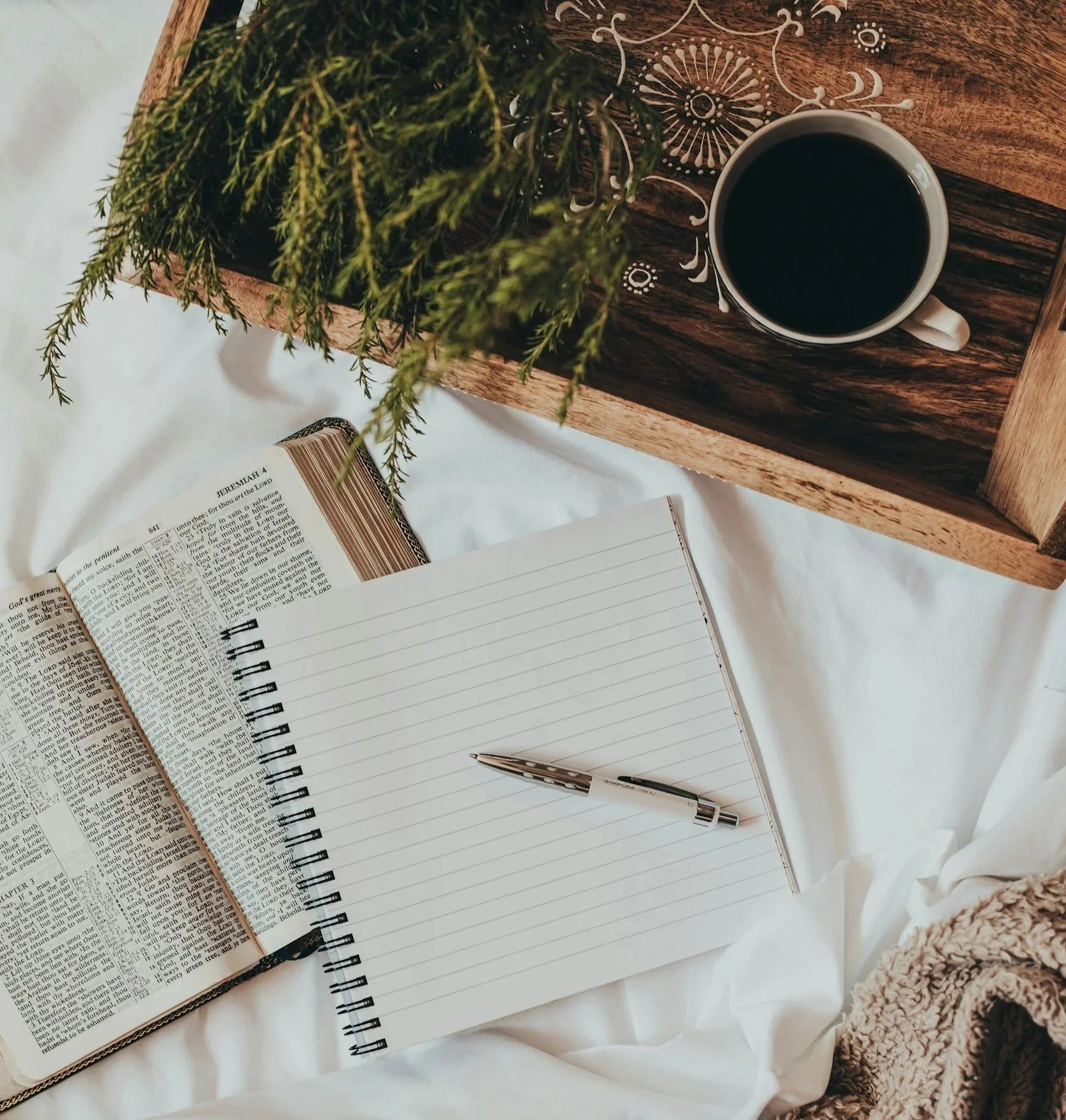
As this invitation has quietly shaped my days, I’ve noticed how small choices accumulate. Mornings that begin before the internet does. Coffee or tea without scrolling. A few handwritten lines in a journal. Afternoons that include walks where I notice houses, gardens, and the angle of the light. Evenings that taper instead of spike—lit by lamps, accompanied by music or a book rather than an endless feed.

None of this is rigid. All of it is chosen.

As a counselor, I often sit with people who tell me they can’t relax, can’t focus, can’t feel. Many assume something is wrong with them. But I’ve come to wonder how much of our distress comes from living in a state of constant interruption—never fully working, never fully resting, never fully arriving.

Slower analog habits do something subtle but profound. They signal safety. They allow the body to complete a thought, an emotion, a breath. Walking without input lets the mind wander the way it was designed to. Reading a physical book steadies attention without demanding performance. Even boredom—real boredom—turns out to be a doorway rather than a dead end.

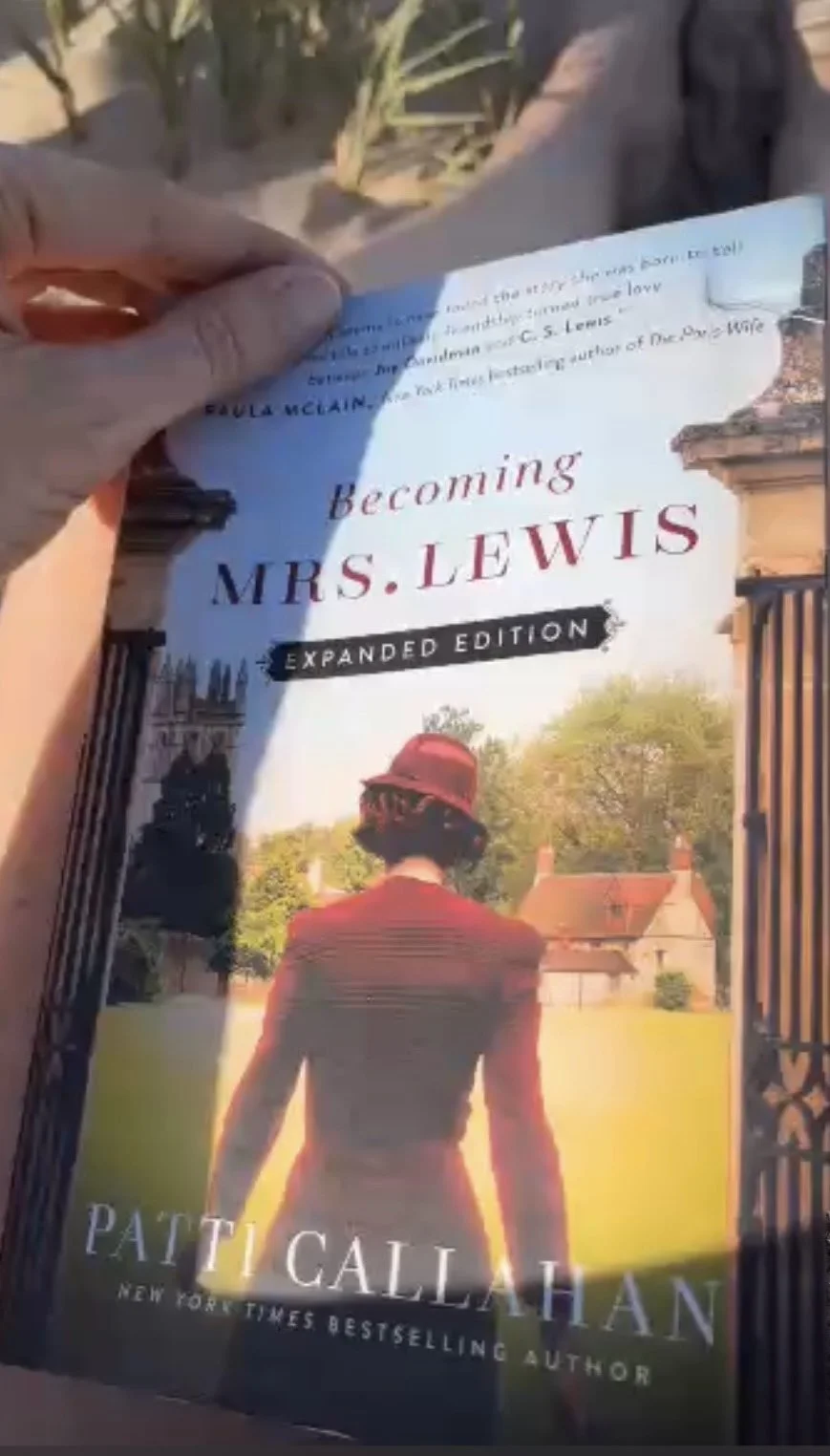
A couple of weeks ago, my friend Zoe lent me a novel she was sure I’d love. She was absolutely right. Becoming Mrs. Lewis by Patti Callahan became a favorite beach read immediately—the kind of book you sink into without realizing how much time has passed. Set in mid-century Oxford, it carries the texture of slower days: handwritten letters, thoughtful conversations, long walks taken simply for the sake of walking.

I found myself lingering over it, closing it gently, sitting for a moment before standing up again. Not because it was telling me how to live, but because it quietly reminded me of a pace of life that once made room for presence.

This isn’t about living like it’s 1953. I still use technology. I still work online. I still appreciate the conveniences of modern life. But I’m learning to ask a different question in my free time:

What would it be like to let my days have edges again?

So perhaps this is what I’m really inviting you into—not less technology, but more intention. Screens still have a place here, but not a permanent seat at the table. Used on purpose. Chosen ahead of time. Allowed to end.

A movie night instead of endless scrolling.
An album played all the way through.
A stretch of boredom that turns out to be a doorway rather than a dead end.

What happens when attention becomes a kind of spiritual practice—when we give it fully, and then let it rest? When life regains its texture: the weight of a book, the rhythm of walking, the quiet satisfaction of something finished.

This is an invitation to choose depth over dopamine. Not once and for all, but moment by moment. Gently. Humanly.

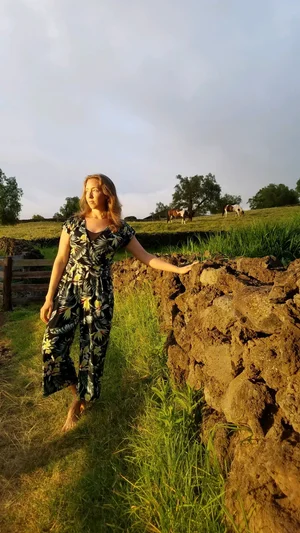
Laura Meis

Adventurer, Believer, & Creative

Next
Next

“I Divorced My Scale”